Five sectors where a customs record is already a sales lead.
We work where two things are true: the product is specified in detail, and the
buyer is a company that already imports the category. That is when trade data
stops being a market report and becomes a name you can write to.
Machine tools, automation, plant lines
Industrial Machinery
Bought by spec sheet, not by brand. Capacity, tolerance, duty cycle.
We cover
Machine tools, automation cells, conveying and packaging lines, and the sub-assemblies inside them.
Who buys
A plant engineer replacing or extending a line, or the integrator building it for them. They compare spec sheets. They do not browse.
What we match on
Machine type. Material and process. Throughput class. The certification marks that decide whether the import clears.
A typical signal
A factory that imported a machining centre last year is in a replacement cycle right now. That record is your first message, not a market guess.
Semiconductor parts, PCBs, modules
Electronics & Components
Parts that live inside someone else’s product. Approval comes before price.
We cover
Semiconductor parts and equipment components, PCBs, connectors, sensors, finished modules.
Who buys
A sourcing or quality engineer at the manufacturer, or the distributor holding stock for them. Qualification first, quote second.
What we match on
Part family. Process or node. Package and interface. The compliance marks that decide whether a part can be designed in at all.
A typical signal
An EMS or module maker importing connectors in volume is already qualified on a form factor. The only question is whether yours fits the same slot.
Specialty chemicals, films, metals
Chemicals & Materials
Sold by grade and property, not by name. Substitution is slow, so the first message has to be exact.
We cover
Specialty chemicals, functional films and coatings, engineered polymers, processed metals.
Who buys
A formulator, process engineer or procurement lead with a spec to meet and a supplier to qualify against it.
What we match on
Material class. The property that defines the grade. The application it is already qualified for. The safety and regulatory papers an importer asks for.
A typical signal
A converter importing a film or resin by grade is not shopping the category. They want a second source that passes the same spec. Be that source.
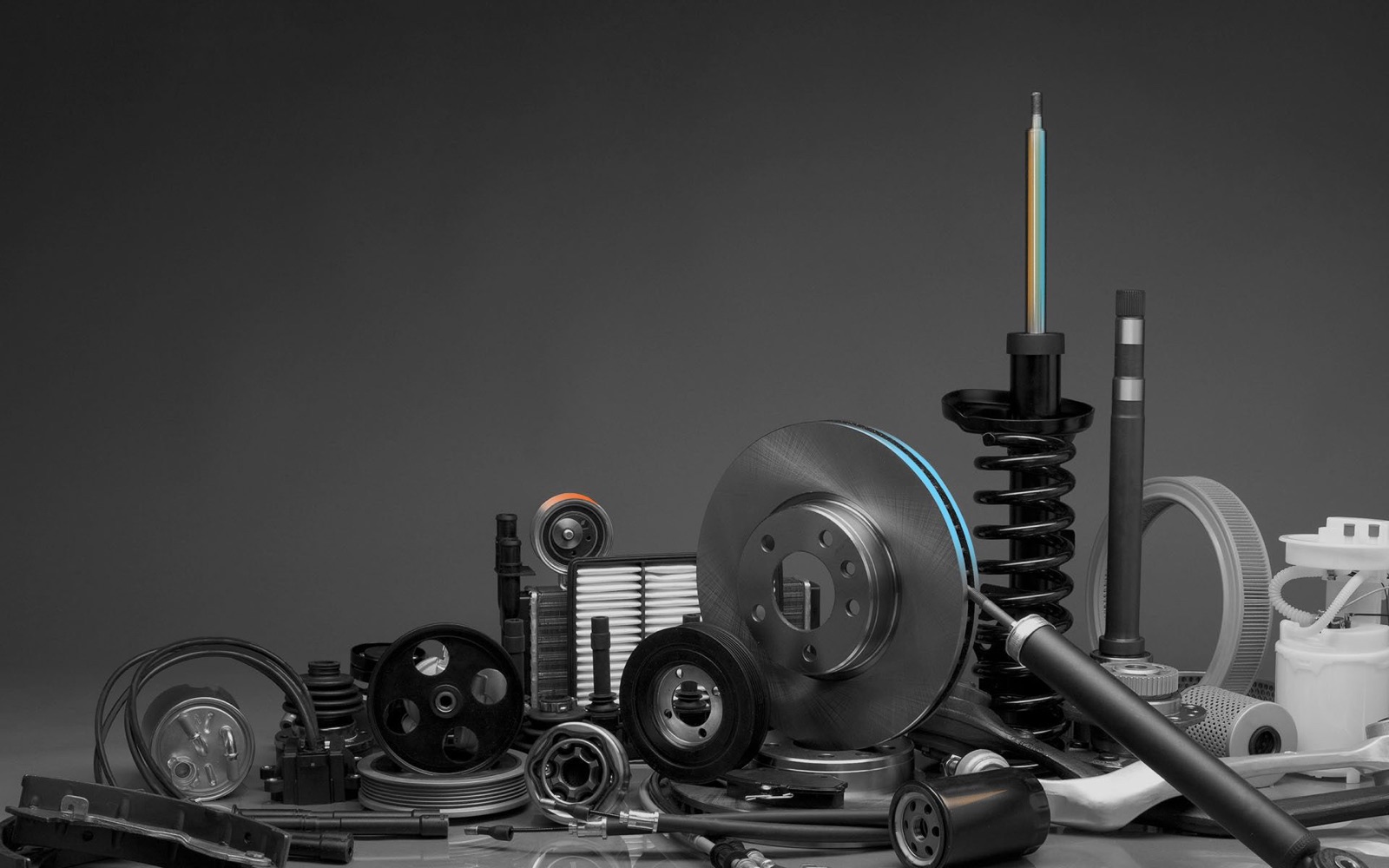
Vehicle components, EV, aftermarket
Mobility & Auto Parts
Original equipment and everything that follows it. Programmes qualify for years, so late is the same as absent.
We cover
Vehicle components and sub-assemblies, electrification parts, aftermarket and replacement lines.
Who buys
A tier supplier, an assembler, or an aftermarket distributor.
What we match on
Component family. Platform or vehicle class. OEM or aftermarket. The approvals attached to each.
A typical signal
A tier already importing a component family for a platform is mid-programme. Early contact is the difference between evaluated and invisible.
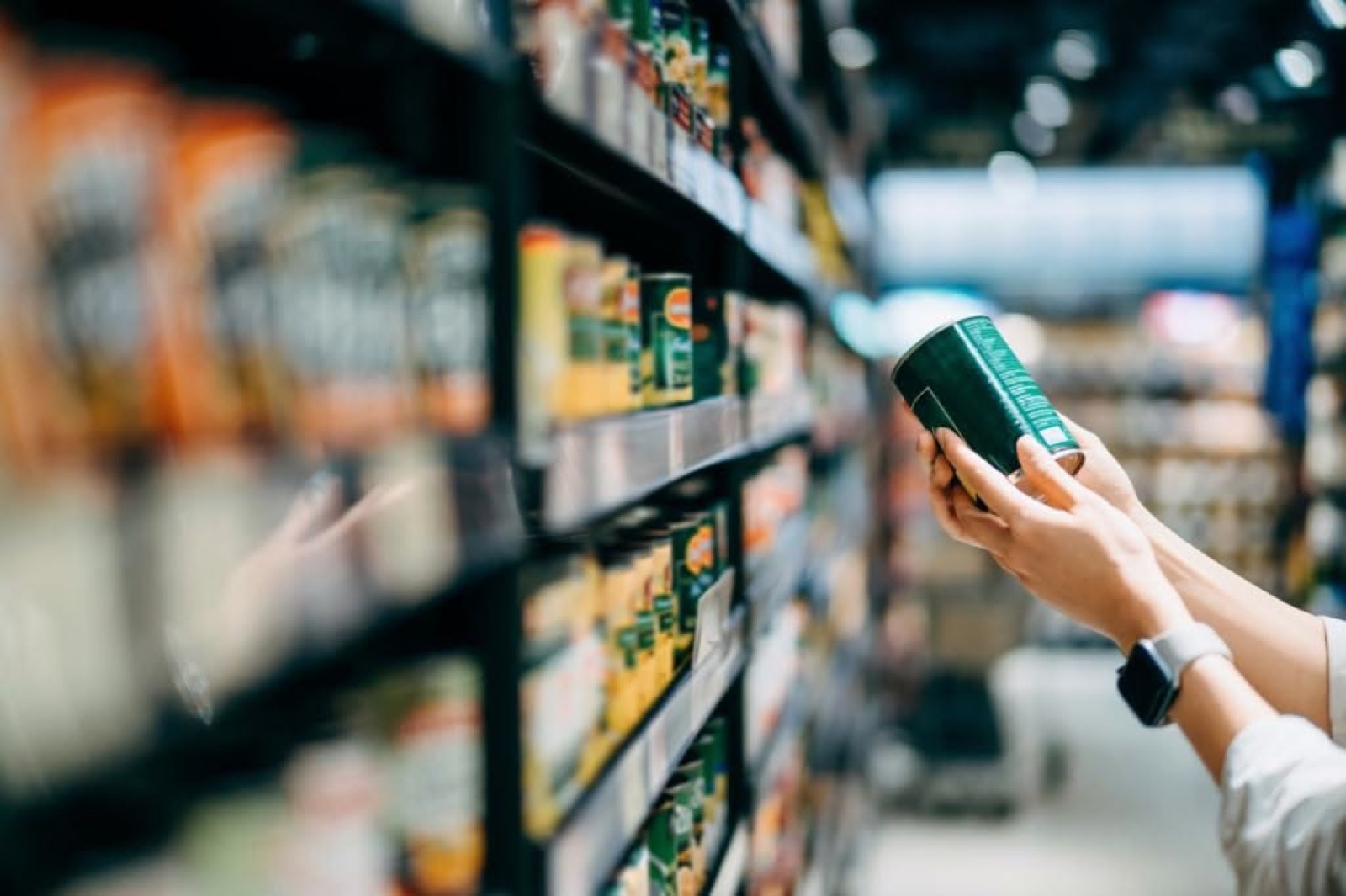
Cosmetics, food, household
Consumer Goods
Products that reach a shelf, not a line. The first question is not taste. It is whether the goods can be registered and sold there.
We cover
Cosmetics and personal care, processed food and drink, household and lifestyle goods.
Who buys
An importer, distributor or retail buyer who has to clear the product before they can sell it.
What we match on
Product category. Formulation or ingredient class. Pack format. The labelling and registration rules of the destination market.
A typical signal
A distributor already importing the category into a regulated market has the licence and the shelf. They need a line that passes the same registration path.
Not on the list
Not on the list? Write anyway.
These five are where our dictionaries run deepest today. They are not the limit
of the method.
If what you make is specified in detail and someone already imports something
like it, the same approach works. It starts with building the dictionary for
your category.
Tell us what you make. We will say plainly whether we can help yet. A no arrives
faster than a maybe.