Buyer matching and outreach for exporters
Finding the company that already buys what you make is the slowest step in exporting. NEXPORT hands it to software.
Early accessThree steps. Each one hands something back.
It reads what you make
Hand over the catalogue and the certifications you already have. NEXPORT turns them into the tags customs records and company databases are actually indexed by: not your product names, but the categories a customs officer would file them under. A model drafts the tag set. A person checks every tag before it touches anything.
You give: catalogue, certifications. You get back: a tag set you can read and correct, your words beside the official ones.
It finds who is already buying
Those tags run against customs import records and company data. Out comes the list of companies importing your category now. Not a market you could enter. Companies that ordered something like yours recently. Each one ranked, with the reason written out, so your team can argue with it and the ranking learns.
You give: nothing further. You get back: a shortlist you can argue with, not a database to sift.
It keeps the conversation moving
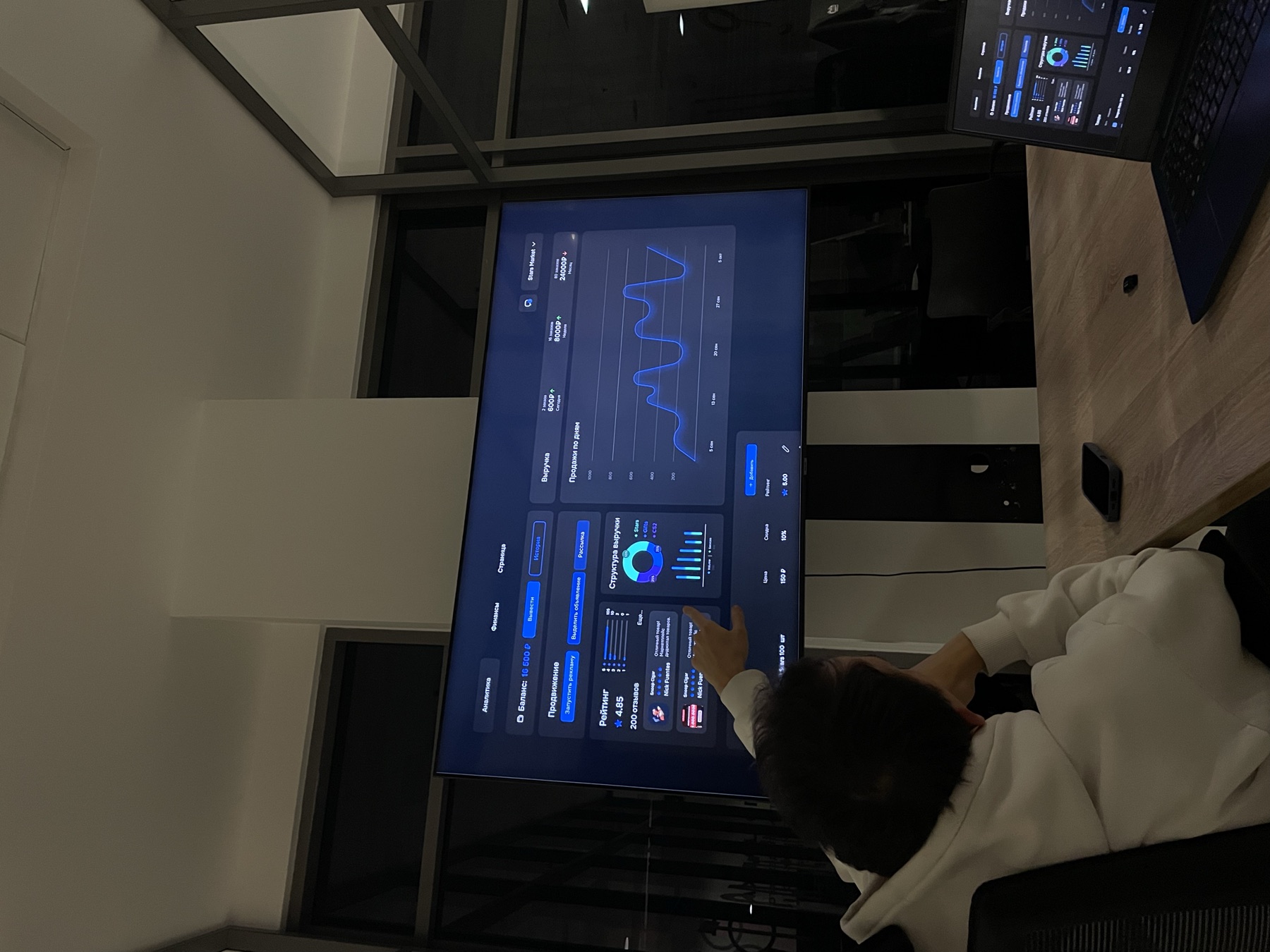
From there it is one pipeline: who to contact, what to send, what came back, what stage each conversation is at, what is due today. Drafts are written for you. Nothing goes out unread. When a deal goes quiet, it says so.
You give: a decision on each draft. You get back: one place where the whole team can see where everything stands.
Three sources. No mystery.

Your own catalogue and certifications
It starts with documents you already have. Nothing about your products is guessed. Nothing you hand over is used for anyone but you.
Customs import records
Goods are declared when they cross a border. The records say which companies brought in which categories, and how recently. That turns "a market that might want this" into "a company that bought something like it last quarter".
Company data
Enough about each importer to tell whether it is the right size, in the right business, and worth a first message. And to find the person who would read it.
What we will not do with it
Never sold as a list
Buyer data is used for matching, inside the product, for the customer it was matched for. The day a contact list is the thing we sell, our attention moves from the manufacturer to whoever buys lists.
A person checks every tag
Our customers work where certification and regulation decide whether an order is possible. A wrong tag is not a bad recommendation. It is a wasted month. Models draft. People approve.
Nothing goes out unread
No message reaches a buyer until someone on your side has read it. Automation stops at the draft.
A reason beside every pair of eyes
Nobody at Proventa opens your pipeline because their role allows it. They open it for a stated reason, the reason sits on record beside the access, and the access closes when the reason runs out. Who looked, at what, and why, can be read back later.
What NEXPORT is not
Not a marketplace. You do not list and wait. Nobody pays to rank above you, because there is no ranking to buy.
Not a lead list. A list is the same for everyone who buys it. A match is computed from your catalogue and comes with a reason you can check.
Not an outsourced sales team. We do not sell for you. Your team keeps the relationship, because in export the relationship is the asset.